What Is a Mental Health Journal?
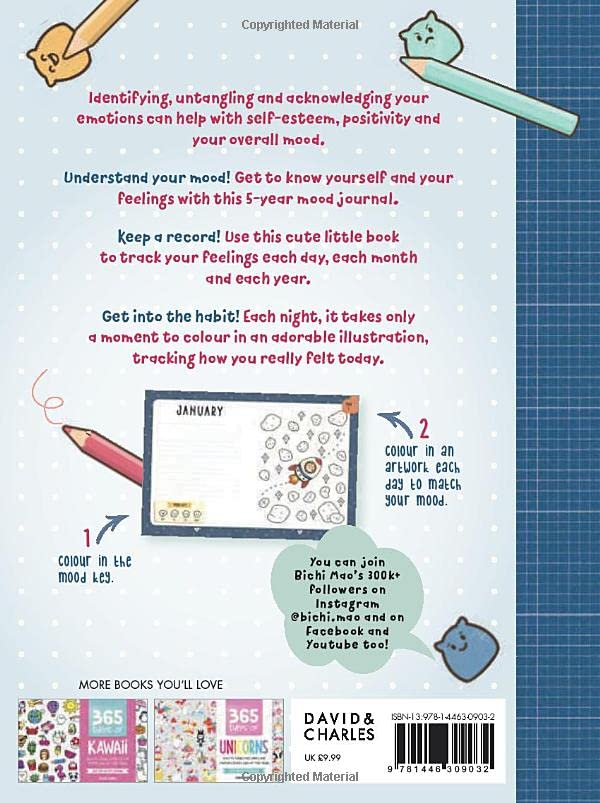
A mental health journal is a structured space to explore your thoughts, emotions and daily experiences in a supportive way. Unlike a blank notebook, guided mental health journals include prompts, questions or practical techniques that help you reflect with purpose — whether that’s understanding anxiety triggers, managing stress, or building healthier thinking patterns.
Journaling is widely used as a simple but powerful wellbeing tool. Writing things down can help slow racing thoughts, create emotional clarity and reduce the intensity of overwhelm. By putting feelings into words, you give your brain space to process them rather than carrying them around all day.
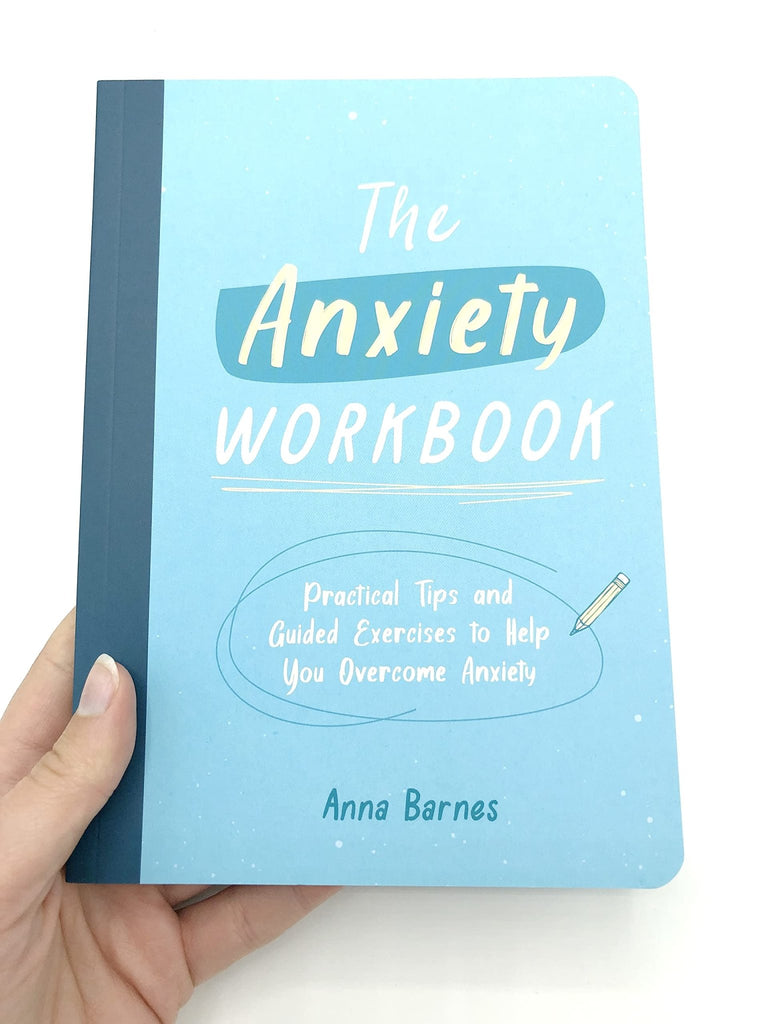
Some mental health journals focus specifically on anxiety or overthinking. Others are designed to support burnout recovery, daily emotional regulation or gentle self-reflection. The right journal depends on what you’re navigating right now — and how much structure feels helpful to you.
How Mental Health Journals Can Help
For Anxiety & Overthinking
If your thoughts feel repetitive or hard to switch off, a guided journal can help you organise them in a calmer, more rational way. Structured prompts encourage you to question unhelpful thinking patterns, separate facts from fears, and gently reframe situations. Many people find that regularly “brain dumping” onto paper reduces mental noise and makes worries feel more manageable.
If anxiety is your main concern, explore our guided anxiety journals designed specifically to help manage racing thoughts and overthinking.
For Stress & Burnout
When you’re feeling stretched thin, journaling can create a small daily reset. Stress-focused journals often include check-ins, prioritisation prompts and self-care reminders that help you identify what actually needs your energy — and what doesn’t. This structure can make busy seasons feel less chaotic and more intentional.
For Everyday Emotional Wellbeing
You don’t have to be in crisis to benefit from a mental health journal. Daily reflection builds self-awareness, gratitude and emotional resilience over time. Even five minutes of consistent writing can help you notice patterns, track progress and feel more grounded in your day-to-day life.
How To Choose The Right Mental Health Journal
If you’re unsure which one is right for you, here’s a simple guide:
- If anxiety or racing thoughts are your main struggle, choose a journal with structured prompts that help challenge overthinking and encourage calmer thinking.
- If your thoughts feel constant and overwhelming, a structured journal like our Overthinking Brain Dump can help organise and calm mental clutter.
- If you prefer open reflection, choose a lighter guided journal that gives direction without feeling restrictive.
- If you’re buying as a gift, guided formats tend to feel more supportive and easier to start than completely blank notebooks.
The best mental health journal is the one you’ll actually use. Simple, approachable structure often works better than something that feels overwhelming or too intense.
Many customers also pair their journal with calming tools from our stress relief gifts collection for a more complete reset routine.
Journalling and Affirmation Cards
Journaling and affirmation cards work particularly well together. While a journal helps you process your thoughts, our affirmation cards provide supportive prompts to guide kinder self-talk. Many people pull a daily affirmation card before writing, using it as a theme or intention for the day.
Mental Health Journal FAQs
Do mental health journals really help?
Many people find that journaling reduces stress and improves emotional clarity. Writing helps organise thoughts, process feelings and spot patterns over time. While it’s not a replacement for professional support, it can be a powerful everyday wellbeing tool.
How often should I use a mental health journal?
There’s no strict rule. Some people write daily, others a few times a week. Even short, consistent check-ins can make a difference. The key is building a rhythm that feels sustainable.
What’s the difference between an anxiety journal and a mental health journal?
An anxiety journal focuses specifically on managing anxious thoughts and triggers. A mental health journal is broader and may include stress management, mood tracking, reflection prompts and general wellbeing support.
Are guided journals better than blank notebooks?
For many people, yes. Prompts remove the pressure of knowing what to write and help you think more constructively. If you struggle to get started, guided formats are often easier to stick with.
Why Trust Our Journals?
We’ve spent years creating practical, approachable tools that make looking after your mental wellbeing feel realistic — not overwhelming. Every journal in this collection is designed to be supportive without being clinical, structured without being restrictive, and helpful without feeling heavy.
Our products are used daily by customers navigating anxiety, stress, burnout and busy minds. Rather than creating blank notebooks with pretty covers, we focus on thoughtful prompts, simple frameworks and gentle guidance that actually help you take action.
As a small UK business focused on everyday mental wellbeing, we design our journals to feel human, relatable and genuinely useful — whether you're buying for yourself or someone you care about.
Not sure which format suits you? Read our full guide on how to choose the right mental health journal to compare styles and approaches in more detail.