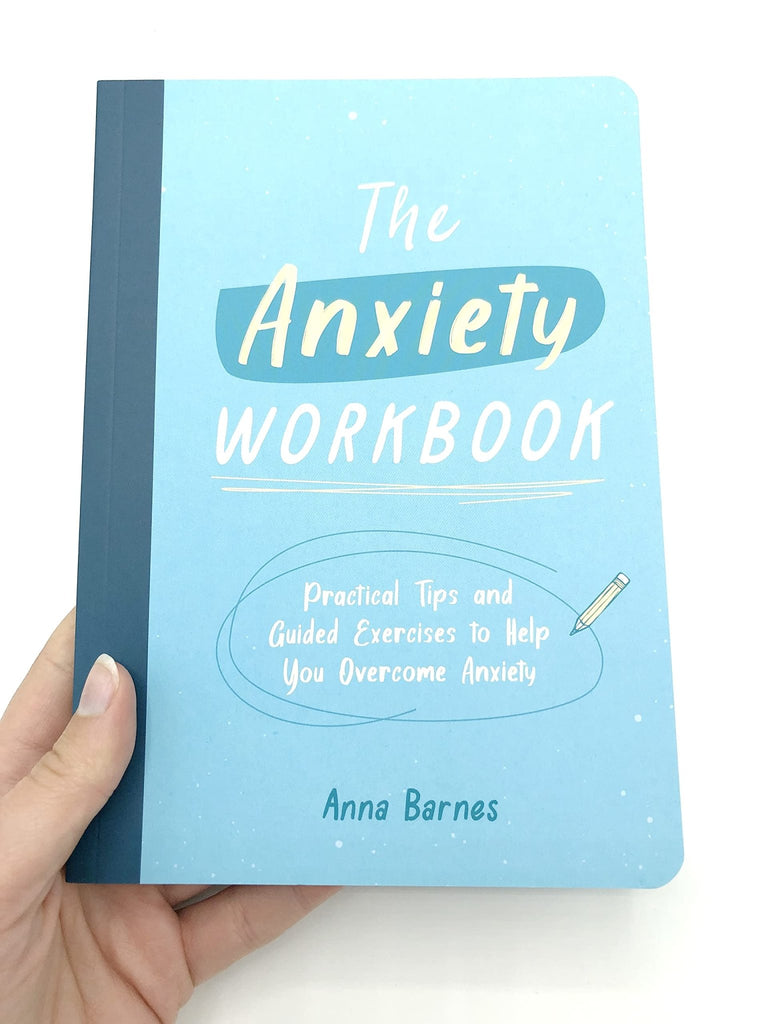
How Anxiety Journals Help Calm Overthinking
An anxiety journal gives your thoughts somewhere to go. Instead of carrying worries around in your head, writing them down creates space between you and the spiral. Structured prompts help you question anxious assumptions, identify patterns and separate facts from fears.
Many guided anxiety journals use simple cognitive techniques to gently challenge unhelpful thinking. By slowing down and putting worries into words, your brain can process them more rationally. Over time, this builds awareness and reduces the intensity of anxious reactions.
What To Look For In An Anxiety Journal
Not all journals are the same. The right one depends on what feels most supportive to you.
For constant racing thoughts, choose structured prompts that help break down worries step by step.
For physical stress and overwhelm, look for daily check-ins that include calming or grounding exercises.
For regular reflection, a lighter guided format can help you build a steady journaling habit without feeling pressured.
If you’re new to journaling, guided formats are usually easier to start and stick with than blank notebooks.
The best anxiety journal is one that feels manageable and realistic — something you can return to consistently.
Can Journaling Really Help With Anxiety?
While journaling isn’t a replacement for professional support, many people find it reduces mental clutter and improves emotional clarity. Writing regularly can help you:
Recognise anxious thought patterns
Identify triggers
Reframe unhelpful thinking
Track progress over time
Even five to ten minutes a day can make a noticeable difference in how manageable your thoughts feel.
Anxiety Journal FAQs
How often should I use an anxiety journal?
There’s no strict rule. Some people write daily, others only when they feel overwhelmed. Consistency matters more than frequency — even short entries can help.
Are guided anxiety journals better than blank notebooks?
For most people, yes. Prompts remove the pressure of knowing what to write and help you think more constructively.
What’s the difference between an anxiety journal and a general mental health journal?
An anxiety journal focuses specifically on managing anxious thoughts and overthinking. A general mental health journal may include broader reflection, mood tracking or wellbeing planning.