


Finding the right quiet fidget toys for classrooms can make a meaningful difference to how children focus, self-regulate, and feel during the school day. For many pupils, especially those who struggle with concentration, anxiety, or sensory processing, having something small and discreet to use with their hands can help them stay engaged without disrupting lessons.
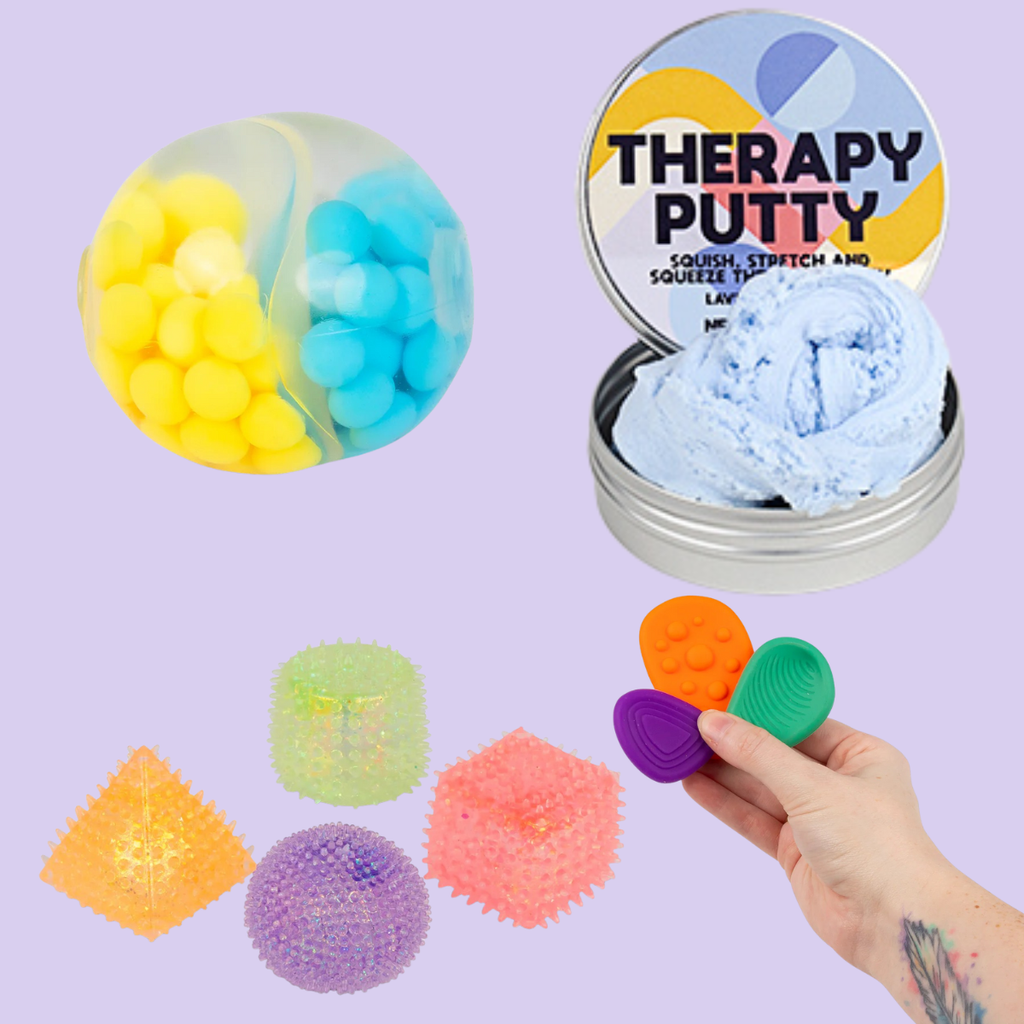
This guide explores what makes a good classroom-friendly fidget, why quiet fidget toys are so effective in learning environments, and which options work best in real UK classrooms. We’ll also highlight some of our most popular quiet fidget toys from the Spiffy shop, including sensory worry stones, the ASMR Squish Ball, therapy putty, and sugar sensory shapes.
If you’d like a broader overview of fidget toys — including benefits, types, and how they support both kids and adults — you can also read our main content hub here: Fidget Toys: Benefits, Types, and the Best Fidget Toys for Kids and Adults.
Why quiet fidget toys matter in classrooms
Classrooms are busy, stimulating environments. While some children thrive in this setting, others find it overwhelming or struggle to sit still and focus for long periods. Quiet fidget toys help bridge that gap by offering:
- A silent outlet for restless hands
- Support for focus and attention during listening and learning tasks
- Emotional regulation during stress or sensory overload
- Minimal distraction for teachers and classmates
Unlike noisy or visually stimulating toys, quiet fidget toys are designed to blend into the classroom environment. They allow children to meet their sensory needs without drawing attention or interrupting learning.
For this reason, many teachers, SEN coordinators, and parents actively seek out quiet fidget toys for classrooms rather than general fidgets.

What makes a fidget toy “classroom friendly”?
Not every fidget toy is suitable for school use. A classroom-friendly fidget usually has the following qualities:
- Low or no noise (no loud clicking, buzzing, or rattling)
- Subtle movement rather than fast or flashy actions
- Small and portable, easy to hold under a desk or in one hand
- Durable enough for regular use
- Simple interaction that doesn’t require visual attention
The best quiet fidget toys for classrooms support learning rather than compete with it. Ideally, a child should be able to use the fidget while still listening, reading, or writing.
Who benefits most from quiet fidget toys in school?
Quiet fidget toys can support a wide range of pupils, including:
- Children with ADHD who need help managing restlessness
- Children with autism or sensory processing differences
- Pupils who experience anxiety or overwhelm in busy classrooms
- Children who struggle with sitting still during carpet time or lessons
That said, quiet fidgets are not just for children with diagnosed needs. Many pupils benefit from having a small, calming tool to help them focus and feel settled.
Recommended quiet fidget toys for classrooms
Below are four quiet, classroom-appropriate fidget toys from our shop that are commonly chosen by parents and educators.
Sensory Worry Stones – discreet grounding for calm focus
Sensory worry stones are one of the most discreet fidget toys available, making them ideal for classroom use. Children can rub, roll, or trace the textured surface with their fingers while keeping their eyes on the teacher or their work.
Why worry stones work well in classrooms:
- Completely silent
- Encourage slow, repetitive movement
- Easy to use without looking
- Small enough to keep in a pocket or pencil case
Worry stones are especially helpful for children who experience anxiety or benefit from grounding tactile input during lessons.

ASMR Squish Ball – quiet squeeze for emotional regulation
The ASMR Squish Ball provides a satisfying squeeze with gentle sensory feedback. While it contains textured elements, it remains relatively quiet when used slowly and mindfully, making it suitable for classroom use when appropriate.
Why teachers and parents choose it:
- Supports emotional regulation during stressful moments
- Provides calming tactile input
- Helps release tension without fast movement
This type of squish ball works well during independent work, quiet reading, or calming-down periods.

Therapy Putty – silent, resistance-based sensory support
Therapy putty is a firm favourite in classrooms and SEN settings. It offers completely silent, resistance-based sensory input through squeezing, rolling, and stretching.
Why therapy putty is ideal for school:
- No noise at all
- Helps calm the nervous system through deep pressure
- Strengthens fine motor skills
- Easy to use during seated activities
Therapy putty is particularly useful for children who become fidgety during longer lessons or need help managing stress and frustration.

Sugar Sensory Shapes – gentle tactile engagement for busy hands
Sugar sensory shapes provide light tactile stimulation through their varied shapes and textures. Designed to be manipulated quietly, they offer an engaging but low-distraction sensory experience.
Why they work in classrooms:
- Quiet and soft to handle
- Encourage fine motor engagement
- Appealing without being visually distracting
Sugar sensory shapes are a good option for younger pupils or children who enjoy gentle tactile play during learning.

Tips for using quiet fidget toys successfully in classrooms
Even the best quiet fidget toys for classrooms work best when clear boundaries are in place. Here are some tips that teachers and parents often find helpful:
- Introduce the fidget during calm moments, not as a reward or punishment
- Explain that the fidget is a tool for focus, not a toy for play
- Choose one or two approved fidgets per child
- Remove or swap the fidget if it becomes distracting
Consistency is key. When children understand how and when to use their fidget, it’s far more likely to support learning rather than disrupt it.
FAQ: Quiet fidget toys for classrooms
What are the best quiet fidget toys for classrooms?
The best options are silent or near-silent tools like sensory worry stones, therapy putty, and gentle tactile toys designed for calm use.
Are fidget toys allowed in UK classrooms?
This depends on individual school policies. Many schools allow quiet, non-distracting fidget toys when used appropriately.
Can fidget toys be distracting in class?
They can be if they are noisy, visually stimulating, or used incorrectly. Quiet fidget toys with clear rules are much less likely to cause distraction.
Do quiet fidget toys help children with ADHD?
Many children with ADHD find that quiet fidget toys help them stay focused and regulated during lessons by providing a controlled outlet for movement.
What age are classroom fidget toys suitable for?
Quiet fidget toys are available for a wide range of ages. Always check product guidance and supervise younger children as needed.
Final thoughts
Quiet fidget toys for classrooms are not about encouraging distraction — they’re about supporting focus, calm, and emotional regulation in a way that respects the learning environment. When chosen thoughtfully, tools like sensitivity worry stones, therapy putty, and other silent sensory fidgets can help children feel more comfortable and capable at school.
You can explore our full range of classroom-friendly options here: Fidget Toys and Sensory Toys.
And for a broader overview of how fidget toys support kids and adults across different settings, don’t forget to visit our main content hub again: Fidget Toys: Benefits, Types, and the Best Fidget Toys for Kids and Adults.